Serpentina

SERPENTINA: The Herb For Diabetes, Liver, Heart Disease, Kidney, Colds And Flu

10:48 PM

SERPENTINA (ANDROGRAPHIS PANICULATA):
THE HERB FOR DIABETES, LIVER, HEART DISEASE, COLDS AND FLU


Serpentina is a medicinal herb dubbed as the ‘King of Bitters’. Despite its bitter taste, it is widely sought after by diabetics because of its efficacy to lower blood sugar. This herb can be taken by itself or mixed with food to lessen the bitterness.

I once suffered from diarrhea. Aware of the potency of Serpentina, I took it by making tea (5 leaves of Serpentina to 1 cup of water) thrice a day. I had to eat a little chocolate in between sips just to finish a cup of it! The following morning my stomachache was history. I also noticed that I was healed from my cold and nasal congestion when I ate Serpentina leaves with honey. Because of this, Serpentina makes it to my go-to list for stomachache, common cold and asthma remedies. Some customers amusingly narrate to us how much they enjoy eating this fresh ‘Bile of the Earth’ together with their family. Happy customers, too, relate unbelievable healing results from stroke, insulin and lung infection.


This herb is popularly known in the Philippines as Serpentina but its name in the ‘List of Philippine Medicinal Plants’ is Sinta.  It is known scientifically and internationally as Andrographis Paniculata. This traditional medicine is native to Sri Lanka and Southeast Asia, which is used as a cooling herb for fever and flu. Indian tribes also use Serpentina as treatment for liver problems and cancer in their Ayuverdic medicines. Serpentina’s popularity is not limited to its Southeast Asian roots though. It is also regarded as a remedy for common colds in Scandinavian regions. 


Get your Serpentina at https://herbalandherbs.wordpress.com/ at Php60-80/seedling bag.

The many names of Serpentina, Andrographis Paniculata and Sinta, boil down to one and the same herb, which belong to the Acenthaceae family. It is not to be confused with Serpentina Ravoulis though because this herb belongs to the Apocynacea family, which is used as tranquilizer and cure for mental disorders, venom and reptile bites.

There are many scientific studies about Serpentina. Some notable studies are as follows: 
In 1911, Dr. Fougere studied on the ‘Bitter Principle’ (pure bitter extract) from the herb.  According to his research, this ‘Bitter Principle’ protects the liver.

In 2006, a research was conducted to study the extract from this herb. One of its discoveries is one of the major constituents of this ‘Bitter Principle.’ It is an active ingredient, now scientifically identified as Andropholide, which is both anti-inflammatory and anti-oxidant.

Serpentina’s Andropholide property is supported by Philippines Medicinal Plant studies. It is said to be anti-diarrheal, anti-pyretic, anti-infective, anti-bacterial, anti-typhoid, anti-fungal, anti-hepatoxin and anti-cancer.

Chinese studies show that it also prevents blood from clotting. It also prevents reclogging of arteries post-angioplasty. It is said to lower blood pressure as well.   

Research also supports the uses of Serpentina in Ayurvedic medicine as protection against hyperglycemia (for diabetics) and control of renal disease (kidney).  

Studies also support that 6 grams of Serpentina is as effective as an Acetaminophen, which is taken for 2 to 5 days for cold, fever and sore throat.

To reap all these benefits, our common healing practice is to eat five (5) big leaves of fresh Serpentina or six (6) small leaves, thrice (3x) a day. It may also be taken as tea but the infused leaves should be eaten as well three (3x) a day.  You may start with a few leaves as it takes a while to get used to it.
Despite all its virtues, there should be some caution in taking Serpentina, especially, among the following:

1. Should not be taken by patients taking aspirin or any blood thinner medication since Serpentina is also a blood thinner.  

2. Pregnant and lactating mothers should avoid this since Serpentina is an abortifacient. While there is no actual study on adverse effects on lactating mothers, it is better not to risk.

3.  Individuals with Auto-immune diseases like multiple sclerosis, lupus, rheumatoid arthritis, etc. should avoid taking this.


If Serpentina is taken regularly and continuously, it is important to note also that it should be limited to only three (3) months for adults and one (1) month for children, whether in capsule or fresh form. It has side effects like swollen lymph glands, serious allergic reactions and elevation of liver enzymes. Too much of everything is unsafe.


Get your Serpentina at https://herbalandherbs.wordpress.com/ at Php60-80/seedling bag.

Serpentina plants are very easy grow. Just make sure the plant gets sunlight for 3-4 hours, and that the leaves and soil are watered daily. Serpentina bears a pod that contains tiny seeds which pop and grow anywhere where there is soil - even cemented fences and floors with holes! Serpentina plants for sale are available in our garden.

If you are not anywhere near us, you can get Serpentina in capsule form and still get the same benefits mentioned above.  


Monitoring your blood sugar is important if you want to manage your diabetes. Testing your blood glucose will help you evaluate how your current diet, lifestyle, and medication affect you. It will even show you if your Serpentina intake is working for you! Don't let diabetes control your life. Manage your diabetes with the right glucose analyzer now! 

Sources:

WebMD.com, Dosage and Caution on Andrographis Paniculata
Wikepedia, Description and Studies on Andrographis Paniculata
Examine.com, Background of Andrographis Paniculata
www.Stuartxchange.com/sinta.html, Philippine Medicinal Plant, Sinta


Aloe Vera

Herbal Tea and Juice

9:25 PM


Herbal tea or juice can be taken 3 times a day maximum. They are to be sipped little by little to allow absorption. (Healthy Healing by Linda Page). When boiling tea, be sure to use stainless pot (not aluminum) or claypot (palayok). If tea is done by infusion or steeping in boiled water, use glass, ceramic or earthenware.

Aloe Vera 


I make alkaline syrup and juice. I take 1 tbsp. of Aloe Vera alkaline syrup once a day or mix it with juice or tea. This balances hyperacidity, promotes good health which manifests through shiny hair, and smooth, younger looking skin.

Procedure for Alkaline syrup:

a. Cut an Aloe Vera leaf into two, scrape the gel and cut into small pieces.
b. Make a concoction of gel and honey. 1:1
c. Keep in good covered container. Refrigerate.


Get your Aloe Vera at Php60-100/seedling bag. 

Visit us at https://herbalandherbs.wordpress.com/ for more info. :)


Balbas Pusa or Cat Whiskers


The pistil of the flowers are like whiskers. It is also called as local Taheebo. I had a miraculous experience with this herbal. When I was single, I suffered back pains and found out that I had kidney damage. The doctor gave me antibiotics but I developed allergies. My mouth had rashes. I had to stop. My office mate, instead, gave me Balbas Pusa. And of course, with prayers as well, the doctor was surprised to find that my laboratory test was back to normal!

Procedure: Seven (7) leaves or more steeped in boiled water or boiled for 15 minutes.

Get your Balbas Pusa at Php80/seedling bag. 
Visit us at https://herbalandherbs.wordpress.com/ for more info. :)


Damong Maria


This is a Filipino term that means ‘Grass of Mary’. It is known internationally as ‘Wormwood’. I drink this for my stomach ache, flatulence. It is also good for diabetes.

Procedure: Steep a handful of leaves in hot water for 15 minutes and sip.


Get your Damong Maria at Php60/seedling bag. 

Visit us at https://herbalandherbs.wordpress.com/ for more info. :)


Java Mint


This can be mixed with hot tea or hot chocolate to add a mint flavor. This can also be placed in other beverages. This used as remedy for colic, digestion and food absorption. This is also a diuretic.

Procedure: Steep 1 tablespoon of dried or fresh leaves in a cup of boiled water for 15 minutes. For boiled tea, boil the same for 15 minutes.


Kuchai Leek


This is a diuretic which increase urination.

Procedure: Steep or boil the leaves into 1 cup of tea.


Get your Kuchai Leek at Php60/seedling bag. 

Visit us at https://herbalandherbs.wordpress.com/ for more info. :)


Lagundi


This herbal is a tree. A handful of boiled leaves can warm someone with colds. It cleanses the respiratory system, thus, heal from colds, cough, asthma, fever and flu. The tea is also a body cleanser.

Procedures:

Tea – Boil 4 cups of water then put a handful of Lagundi . Keep boiling for 15 minutes. Divide into 3 cups. Drink 1 cup times a day.

Herbal Bath – Add more water and boil more leaves. Drink a cup before bathing and, then, bathe with warm water. Then rinse with the rest of the Lagundi tea. The last rinse is cold water to close the pores. The process cleanses and absorbs coldness of the body and and immediately remove headaches.


Get your Lagundi at Php150/seedling bag. 

Visit us at https://herbalandherbs.wordpress.com/ for more info. :)


Neem Tree


This is India’s town pharmacy. The tea is bitter and drank by diabetics. It is also used for colds asthma and flu.


Get your Neem Tree at Php150/seedling bag. 

Visit us at https://herbalandherbs.wordpress.com/ for more info. :)


Pandan


This herb is placed in rice for fragrance. But it has properties that strengthens blood vessels and heal headache and earache.

Procedure: Boil 4 cups of water, add Pandan leaves, boil for 15 minutes. Drink 1 cup or glass (add water with sugar) 3 times a day.

Optional: Tastes good when added with Tanglad for Pandan-Tanglad Juice.


Get your Pandan at Php60-80/seedling bag. 
Visit us at https://herbalandherbs.wordpress.com/ for more info. :)

Oregano


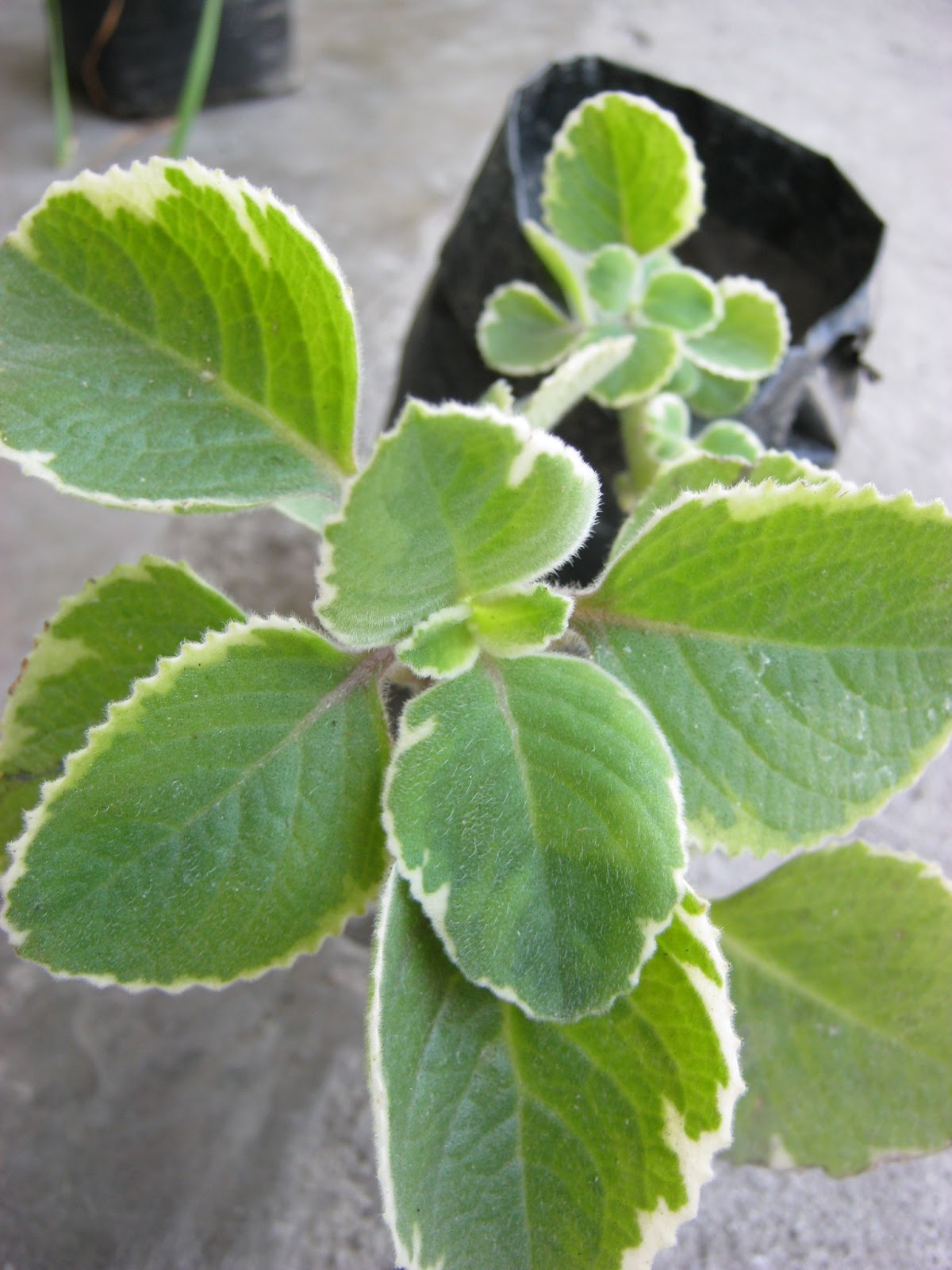
The Philippine Oregano has big green or green and white leaves and has more juice while the Italian Oregano has very small leaves. Both are good for colds, cough, headache, asthma and have antibiotic properties.

Procedure: Steep handful in a cup of hot water. Cover for 15 minutes.


Get your Oregano at Php60-80/seedling bag. 

Visit us at https://herbalandherbs.wordpress.com/ for more info. :)


Peppermint


In the Philippines, it is also known as Herba Buena or ‘good herb’. This is one of my favorite breakfast teas. It has a good aroma with mint. This herb, just like the other herbs, is called body balancer. This is effective for cough, colds, headache, arthritis and body pains.

Procedure:

Tea – Steep two (2) tbsp. of fresh or dried leaves in 1 cup of hot water. Cover for 15 minutes.
Cold Beverages – Chop and place in cold drinks.
Mouthwash – Chop 2 Tbsp. of fresh leaves in 1 glass of water


Get your Peppermint at Php60/seedling bag. 
Visit us at https://herbalandherbs.wordpress.com/ for more info. :)


Serpentina


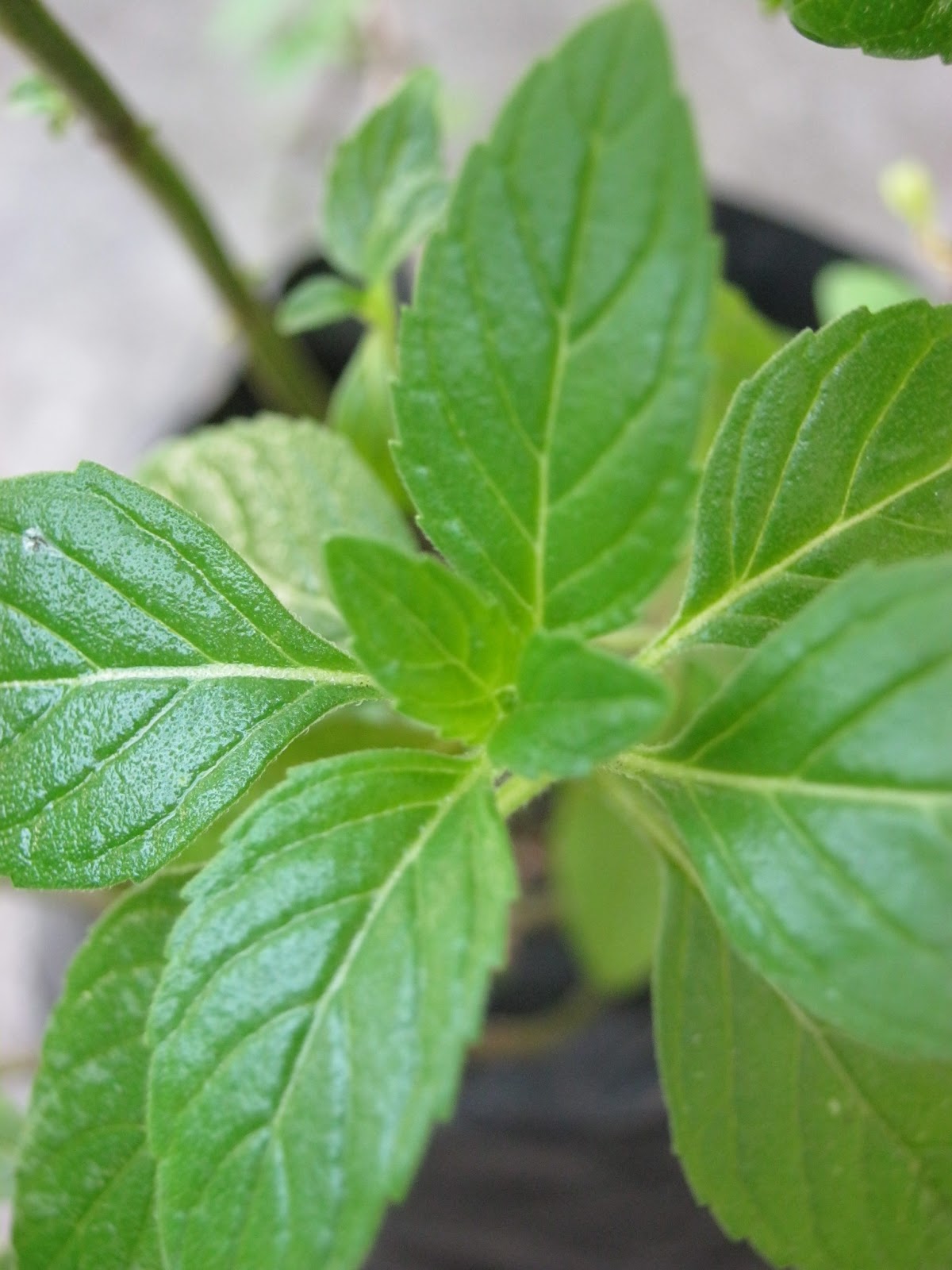
A very bitter herb. This is helpful for diabetics. I tried it for my throbbing stomachache caused by loose bowel movement, the next day I was good as new! The stem grows in a zigzag form as it matures. This must be the reason for its name.

Procedure: Steep 5 to 6 crushed leaves in 1 cup of boiled water. Cover for 15 minutes.


Get your Serpentina at Php60/seedling bag. 
Visit us at https://herbalandherbs.wordpress.com/ for more info. :)


Stevia 


This is a sugar plant used to sweeten hot tea or chocolate. Those who try a leaf can’t believe it!


Tanglad 


This is also known as Lemon Grass. It is good for high blood, loose bowel movement and cancer. This makes a wonderful refreshment especially when added with Pandan leaves and sugar.

Procedure: Boil water 4 cups of water. Add the lemon grass and keep boiling for 15 minutes. Drink 1 cup or glass (add water with sugar) 3 times a day.


Get your Tanglad at Php90/seedling bag. 
Visit us at https://herbalandherbs.wordpress.com/ for more info. :)


Tarragon


The ancients used to call this the Dragon Herb. This is helpful to calm nerves, fatigue, insomnia, hyperactivity, stomach cramps, high blood and heart. This aromatic herb can even be placed directly in water or beverages.

Procedure: 

Tea – Steep 1 tsp. tarragon in 1 boiled cup of water. Cover for 15 minutes.

Get your Tarragon at Php60/seedling bag. 
Visit us at https://herbalandherbs.wordpress.com/ for more info. :)


Sources:

Healing Power of Water by Dr. Savitri Ramaiah c 2009. Sterling Publishers Pvt,Ltd, New Delhi
Healthy Healing An Alternative Healing Reference by Linda Rector-Page c 1992 by Linda Rector Page Published by Healthy Healing Publication 9th Edition
Herbal Plants and Remedies Philippine Copyright 2004 by Amos Books, Inc. 2007 Edition
The Juiceman’s Power of Juicing by Jay Kordick c 1992 by Jay Kordich
Encyclopedia Britannica 15th Edition

Internet:

http://www.tajagroproducts.com/Tea%20(Indian%20tea).html
http://www.infonet-biovision.org/res/res/files/494.hdra%20NeemTree.pdf
http://www.sallybernstein.com/food/columns/gilbert/tarragon.htm

Ashitaba

Eat Your Herbal and Herbs Fresh!

8:41 PM


Fresh herbals mean more enzymes, minerals and vitamins. These strengthen the body so the body can heal itself.

Ashitaba/Tomorrow Leaf 


Two (2) dark leaves a day followed by drinking water little by little maintains good health. To maximize the benefits, do not drink coffee, tea or anything with caffeine within 4 hours. This will help in regular bowel movement which will clean the colon.

This herbal helps normalize cholesterol levels, normalize high or low blood pressure, diabetes, cancer, asthma, kidney, diarrhea, vomiting, fertility problem, rheumatism, hemorrhoids among others. Ashitaba contains Vitamin B12 that promotes the immune system so as to fight off serious disorders like cancer. So if there are health concerns, 2 leaves in the morning and 2 leaves at night is advisable.

Two cancer patients shared with me that Ashitaba is a big help to maintain their normal blood platelets. Also, one dengue victim with low platelet increased her platelet and got cured one hour after eating 2 dark green leaves.

Ashitaba came from Hachijo Island, Japan. Ashitaba is also called Gynura because it has a genus originating from Indonesia and Malaysia. It is also called Tomorrow Leaf because once you get a leaf, a small bud appears the next day. You can also mix it in your food as a vegetable.

Customers relieved of ailments would buy again and give Ashitaba as gifts. One customer was so happy to share to me that he gave an 86-year old with a ashen leg due to diabetes. After eating the fresh leaves (4 leaves for healing), his leg went back to normal.

Get your Ashitaba at Php60-80/seedling bag. 


Basil


Fresh basil helps loosen stuffy nose due to allergic rhinitis or sinusitis. It relieves cough as well. I put it in my toast.

Get your Basil at Php60/seedling bag. 


Gotu Kola


The traditional name here in the Philippines for Gotu Kola is Takip Kohol because its leaf’s size is enough to cover a small edible shell called kohol. As soon as I wake up, I eat seven (7) leaves of this together with two (2) Ashitaba leaves and drink water sip by sip to improve absorption. (Healing Powers of Water by Dr. Ramaiah).

This is good for the memory and youthfulness, the heart, psoriasis, the prostate, cellulite and varicose veins and many more.

Get your Gotu Kola at Php60/seedling bag. 


Java Mint/Spear Mint


Mint helps loosen mucus and relieves cough. This can be eaten for fresh breath or even flavor chocolate, candies, ice cream and even cookies.


Lettuce 


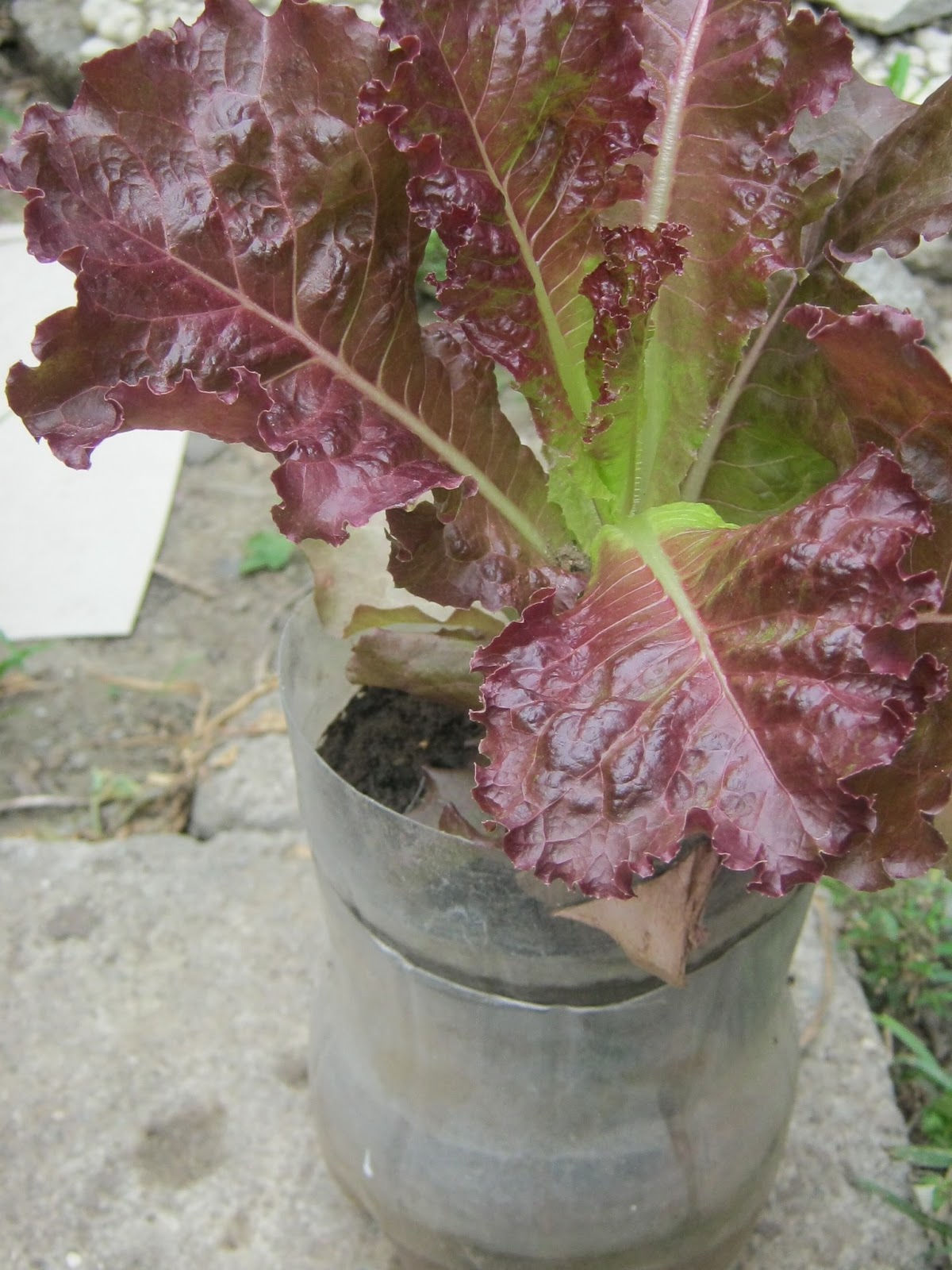
This is a leafy vegetable popularly used for salad or in sandwiches. The Romaine, a dark green variety, and Lolla Rossa, the red and green variety, is rich in Pro-vitamin A and Vitamin C, silicon, sulfur, chlorine and Vitamin B complex. Sulfur and chlorine are called lung cleansers.

This is a product of hydroponics. My husband, Romy, planted the lettuce in a small makeshift pot with organic soil over another makeshift pot with water. As the lettuce grows, some of the roots protrude out of the soil and go to the water, maintaining its hydration.


Peppermint


Fresh leaves can be eaten as relief for cough, colds, headache. And yes, it freshens breath.

Get your Peppermint at Php60/seedling bag. 


Serpentina


This is a bitter plant effective for diabetes and stomach ache. Find out more about Serpentina HERE.

Get your Serpentina at Php60/seedling bag. 


Sources:

Healing Power of Water by Dr. Savitri Ramaiah c 2009. Sterling Publishers Pvt,Ltd, New Delhi
Healthy Healing An Alternative Healing Reference by Linda Rector-Page c 1992 by Linda Rector Page Published by Healthy Healing Publication 9th Edition
Herbal Plants and Remedies Philippine Copyright 2004 by Amos Books, Inc. 2007 Edition
The Juiceman’s Power of Juicing by Jay Kordick c 1992 by Jay Kordich
Encyclopedia Britannica 15th Edition